
Regular physical activity plays an important role in every child’s health, but for children on the autism spectrum, exercise can offer additional benefits that support physical, emotional and cognitive wellbeing. While organised sport or group activities may feel challenging for some children on the spectrum, movement in any form can be a powerful and positive part of daily life.
One of the most well-recognised benefits of exercise for autistic children is its impact on regulation. Many children on the spectrum experience difficulty managing energy levels, emotions or sensory input. Physical activity helps the body release built-up tension and can support better emotional balance. After movement, children often show improved focus, calmer behaviour and reduced anxiety, which can make everyday tasks and learning more manageable.
Exercise also supports sensory integration. Activities that involve pushing, pulling, jumping or climbing provide proprioceptive input, which helps children understand where their bodies are in space. This type of movement can be particularly grounding for children who feel overwhelmed by sensory information. Simple activities such as carrying groceries, riding a bike, swimming or playing on playground equipment can offer valuable sensory feedback without the pressure of structured sport.
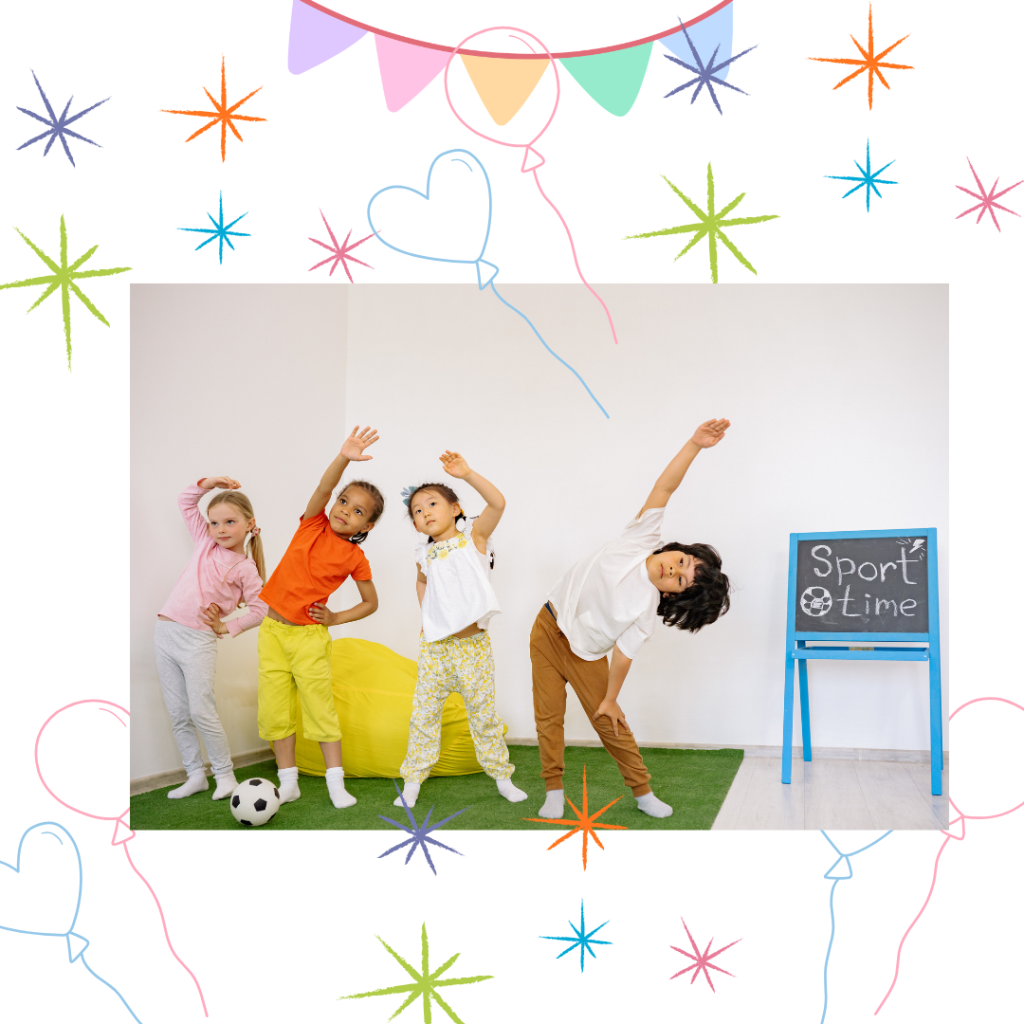
Physical activity contributes to better sleep, which is an ongoing challenge for many families of autistic children. Regular movement during the day can help regulate sleep–wake cycles, making it easier for children to fall asleep and stay asleep. Improved sleep often leads to better mood, attention and resilience during the day, creating a positive ripple effect across family life.
Social benefits can also emerge through exercise, even when social interaction is not the primary goal. Movement-based activities offer natural opportunities to practise turn-taking, following instructions and being alongside others without the intensity of face-to-face communication. For some children, parallel play such as walking, cycling or swimming near others can feel safer and more achievable than team sports.
It is important to recognise that exercise does not look the same for every child. Sensory sensitivities, motor coordination challenges or anxiety may make traditional sports unappealing. The goal is not performance or competition, but enjoyment and consistency. Letting children choose activities they find regulating or enjoyable increases the likelihood they will want to continue. Short bursts of movement spread throughout the day can be just as beneficial as longer sessions.
Parents and carers can support exercise by building it into predictable routines and keeping expectations flexible. Visual schedules, timers and clear start-and-finish points can help children feel more comfortable with movement activities. Celebrating effort rather than achievement reinforces positive experiences and builds confidence.
Healthcare professionals and therapists may also recommend specific movement activities tailored to a child’s needs. Occupational therapists, physiotherapists and exercise professionals experienced with neurodivergent children can provide guidance to ensure activities are safe, supportive and enjoyable.
Exercise is not about “fixing” behaviour or forcing participation. It is about supporting wellbeing, regulation and confidence in a way that respects each child’s individual preferences and abilities. With the right approach, movement can become a valuable tool that helps children on the spectrum feel stronger, calmer and more connected to their bodies and the world around them.