Emotional control is not something children are born with – it is a skill that develops gradually over time. Just like learning to walk, talk or ride a bike, children need support, patience and practice to understand and manage their emotions.
For many parents, it can feel confusing when a child has big emotional reactions over seemingly small things. Tantrums, tears, frustration, yelling or shutting down are all common parts of childhood development. In most cases, these behaviours are not signs of a “bad” child, but rather a child whose brain is still learning how to cope with overwhelming feelings.
The part of the brain responsible for emotional regulation – the prefrontal cortex – is still developing well into the teenage years. Young children naturally rely on adults to help them calm down and make sense of their emotions before they can eventually do it themselves.
Emotional control milestones by age
While every child develops differently, there are some general timelines parents can expect.

Toddlers (1–3 years)
Toddlers have very limited emotional control. They often experience emotions intensely and immediately. Frustration can quickly lead to crying, screaming or throwing objects because they do not yet have the language or brain development to manage those feelings.
At this stage, children need calm and consistent responses from adults. Simple reassurance, distraction and helping them name emotions – such as “You are feeling angry” or “That was disappointing” – helps build emotional awareness.
Tantrums are very common during this period and are considered a normal part of development.
Preschool children (3–5 years)
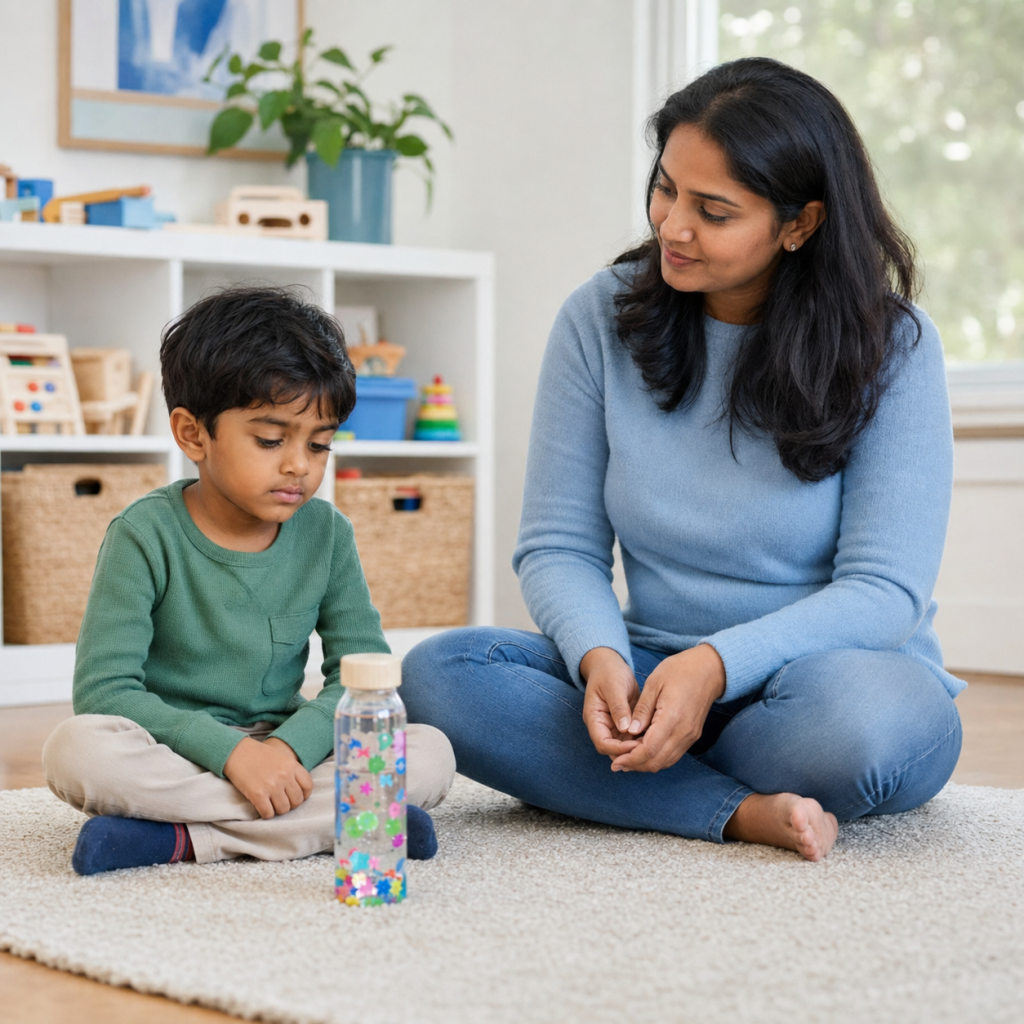
Children in this age group begin to develop a greater understanding of emotions and social behaviour. They may start learning simple calming strategies such as taking deep breaths, asking for help or using words instead of physical reactions.
However, emotional outbursts are still very normal, particularly when children are tired, hungry, overstimulated or struggling with transitions.
Preschoolers also begin learning empathy and recognising how their actions affect others, although these skills are still developing.
Primary school years (6–12 years)
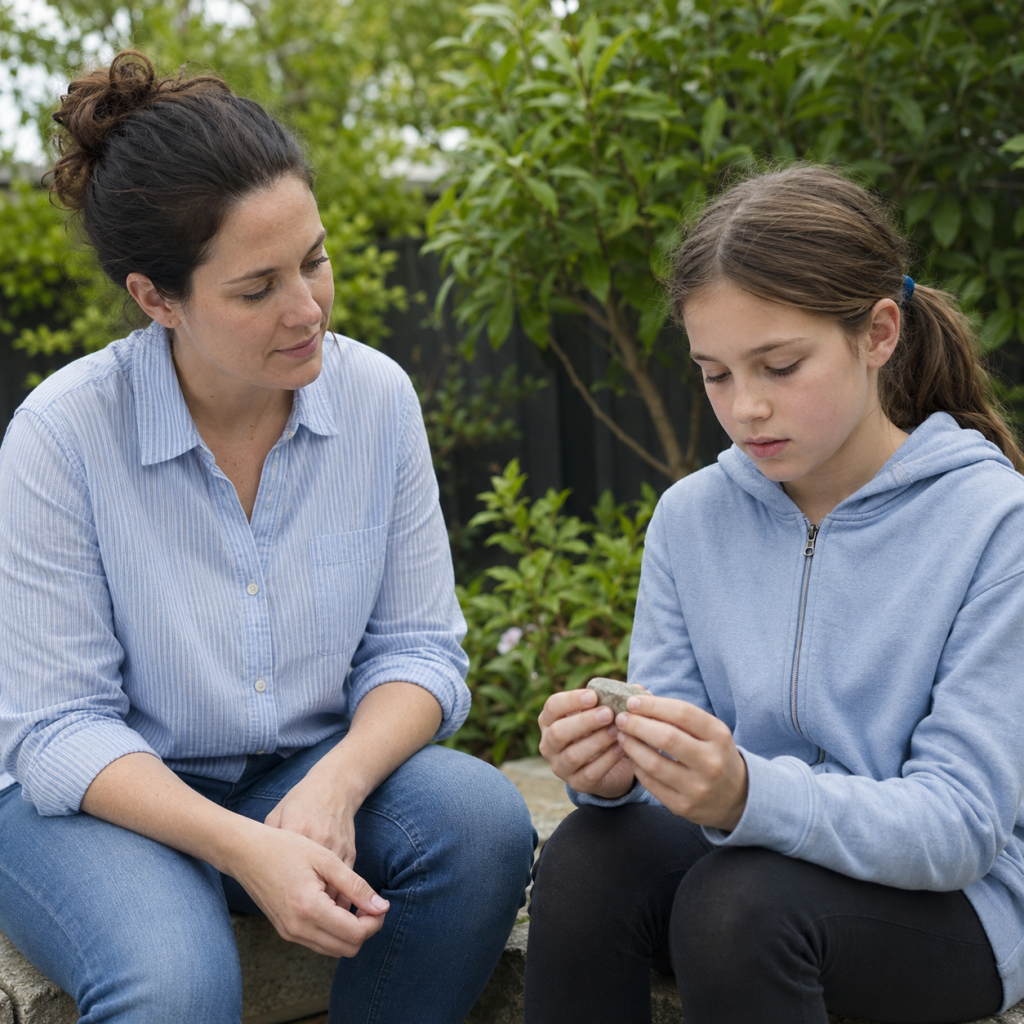
As children grow, emotional regulation usually improves significantly. School-aged children become better at waiting, coping with disappointment and expressing feelings verbally.
Friendships, school pressures and growing independence can still trigger strong emotional reactions, but children gradually learn more sophisticated coping skills.
This is also the stage where some emotional difficulties may become more noticeable. If a child is regularly having extreme meltdowns, struggling socially or unable to recover from emotional distress compared with peers, parents may benefit from seeking professional advice.

Teenagers
Teenagers often appear emotionally unpredictable – and there is a biological reason for this. Hormonal changes, social pressures and ongoing brain development can make emotions feel particularly intense during adolescence.
Although teens have more advanced emotional skills than younger children, they still need guidance, boundaries and supportive adults who model healthy emotional responses.
How parents can help
Children learn emotional control best through relationships. Staying calm during difficult moments, validating feelings and modelling healthy coping strategies teaches children that emotions are manageable.
Helpful strategies include:
- keeping routines predictable
- teaching children to name emotions
- encouraging problem-solving
- practising calming techniques
- praising effort rather than perfection
- allowing children time to recover after becoming upset
Importantly, emotional regulation is a long process. Some children develop these skills quickly, while others need more support and repetition. Patience, consistency and connection remain some of the most powerful tools parents can offer as children learn to navigate their emotions and the world around them.