
Baby poo is a topic most new parents quickly become familiar with. Its colour, consistency and frequency can change from day to day, and it is natural to wonder whether your baby is pooing too often—or not often enough.
The reassuring answer is that there is a wide range of normal. Some babies poo after almost every feed, while others can go several days without a bowel movement. Your baby’s age, diet and individual digestive system all influence their usual pattern.
What to expect in the early days
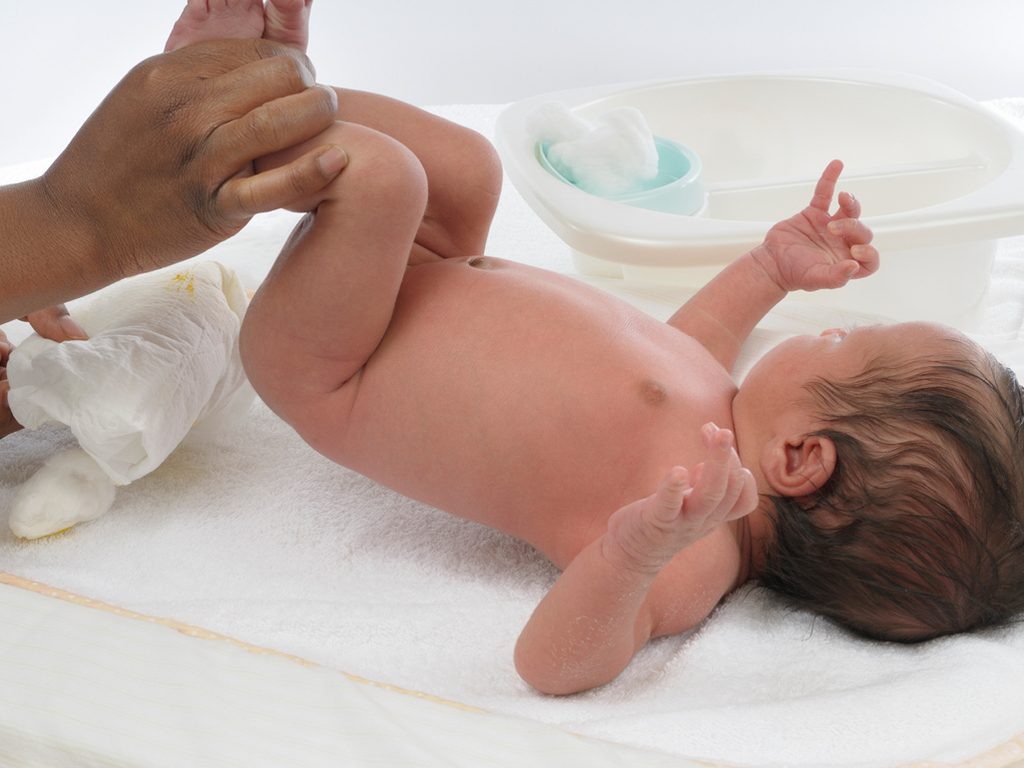
A newborn’s first bowel movements contain meconium, a thick, sticky substance that is usually dark green or almost black. Over the next few days, the poo gradually becomes lighter as feeding becomes established.
Breastfed newborns may poo after every feed during the first few weeks. Their poo is generally soft or runny and often yellow or mustard-coloured, sometimes with small seed-like pieces. In the early weeks, regular bowel movements can be one indication that a breastfed baby is receiving enough milk.
Formula-fed babies may also poo several times a day as newborns. Their bowel movements are often firmer and more formed than those of breastfed babies, although they should still be reasonably soft and easy to pass.
Changes as babies grow
After approximately six weeks, some breastfed babies begin pooing much less frequently. A healthy baby might go several days—or occasionally as long as a week—without a bowel movement. If the eventual poo is soft, the baby is feeding well, gaining weight and seems comfortable, this can be completely normal.
Formula-fed babies commonly poo anywhere from several times a day to every few days. It is important to prepare formula exactly according to the manufacturer’s directions. Adding too much powder can contribute to constipation and may also cause dehydration.
When babies begin eating solid foods, their poo usually becomes firmer, darker and smellier. The frequency may change as their digestive system adjusts to different foods. Parents might also notice pieces of undigested food in the nappy, which is often normal during this stage.
Is my baby constipated?
Constipation is not determined only by the number of days between bowel movements. The consistency of the poo and how comfortably it is passed are often more useful indicators.
Babies commonly grunt, wriggle, strain or turn red while doing a poo because they are still learning to coordinate their abdominal and pelvic muscles. If the poo is soft, this behaviour does not necessarily mean the baby is constipated.
Signs of constipation can include hard, dry or pellet-like poo, a firm or swollen tummy, reduced appetite, obvious pain when pooing or a small amount of blood caused by a tiny tear around the anus.
When to seek advice
First step – speak to your GP, paediatrician or maternal and child health nurse if your baby’s bowel habits change suddenly, you are concerned about feeding or weight gain, or your baby regularly passes hard or painful stools.
Prompt medical advice is also important if the poo is white, grey, persistently black after the newborn stage, or contains blood. Seek urgent care if your baby has a swollen abdomen, repeated vomiting, poor feeding, fewer wet nappies, unusual sleepiness or appears very unwell.
Ultimately, what is normal for one baby may be quite different for another. Becoming familiar with your baby’s usual pattern is generally more helpful than counting every dirty nappy.