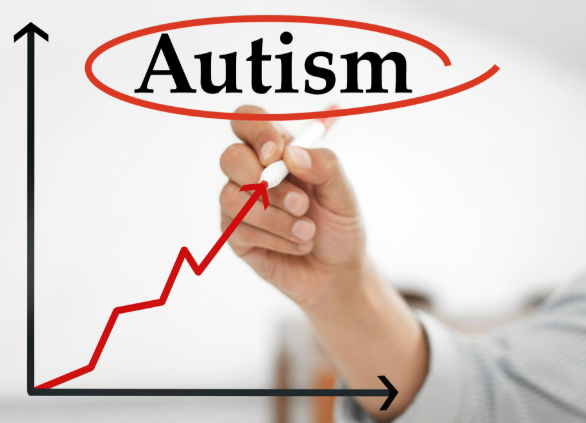
In recent years, there’s been a noticeable rise in the number of children being diagnosed with autism spectrum disorder (ASD). For some families, this can feel reassuring—finally, a name for the challenges they’ve been seeing. For others, it may raise concerns: Why does it seem like autism is everywhere now? Are more children actually developing autism, or are we just getting better at recognising it?
The answer is not as simple as one cause, but rather a combination of factors working together.
Broader Definitions and Better Understanding
The way we define and diagnose autism has changed significantly over time. In the past, diagnoses were limited to children who displayed the most obvious signs—usually boys, often non-verbal, with very clear behavioural traits. But today, we recognise that autism is a spectrum. That means children with a wide range of differences in communication, behaviour, sensory needs, and social interaction may all fall under the umbrella of ASD.
This broader definition has opened the door for many children—particularly girls and neurodivergent children who present differently—to be diagnosed and supported appropriately.
Increased Awareness
We’ve come a long way in understanding autism. Public awareness campaigns, books, media coverage, and parent advocacy have helped reduce stigma and spread knowledge about the signs and symptoms of autism. As a result, more parents, teachers and health professionals are picking up on the early signs—sometimes before a child even starts school.
At Complete Children’s Health, we often see families who’ve been gently encouraged by their child’s educator or GP to seek a developmental assessment—not because something is “wrong,” but because early support can make a real difference.
Improved Access to Screening and Services
Many routine health checks now include screening for developmental differences, including autism. Paediatricians, maternal and child health nurses, and GPs are better equipped to spot early indicators and refer families for further assessment.
Increased access to specialists like speech pathologists, occupational therapists, and psychologists also plays a role. More professionals are involved in observing and supporting children from a young age, which can lead to earlier diagnosis.
Reaching Previously Undiagnosed Groups
Historically, autism was underdiagnosed in girls, children from culturally and linguistically diverse backgrounds, and those with higher verbal skills. As awareness grows, we’re doing a better job of recognising the more subtle presentations of autism in these groups—and providing them with the help they’ve always needed.
What About Environmental Factors?
There’s ongoing research into the causes of autism, including possible environmental influences. However, current evidence still points to genetics as the strongest factor. There is no single known cause, and no clear evidence that environmental changes are driving a true increase in incidence.
What Matters Most
At Complete Children’s Health, we focus less on why the numbers are rising and more on how we can help. Our team works closely with families to provide clear, compassionate assessments and connect them with the right supports.
The rise in autism diagnoses reflects progress: a more inclusive understanding of neurodiversity, better tools to identify it, and a stronger commitment to helping every child thrive.